
Brief description of the organisation/initiative
The Speranța Empowerment Foundation is a non-governmental organisation with over 20 years of activity in support of children with special needs and their families, with the mission of including these children in regular schools and kindergartens, as well as changing the mentality and attitude towards them. The foundation has contributed to the successful ingratiation of children diagnosed with autism, ADHD, down syndrome and more, into regular schools. Through its activities, the NGO has also prompted a change in public opinion about people with special needs and gave rise to often overlooked signs that can have a significant effect on other daily life.
The Speranta Foundation has implemented over 50 projects through the years, including the UNLock initiative for preventing the institutionalisation of adults with disabilities. Starting on a local level by creating the first rehabilitation centre for children with medium and mild mental disabilities in Romania, providing specialised services using multidisciplinary therapies to parents and training teachers. In recent years, they have also made an impact on a national level by developing educational policies and pushing forwards the adaptation of inclusive education guidelines.
Challenge overview
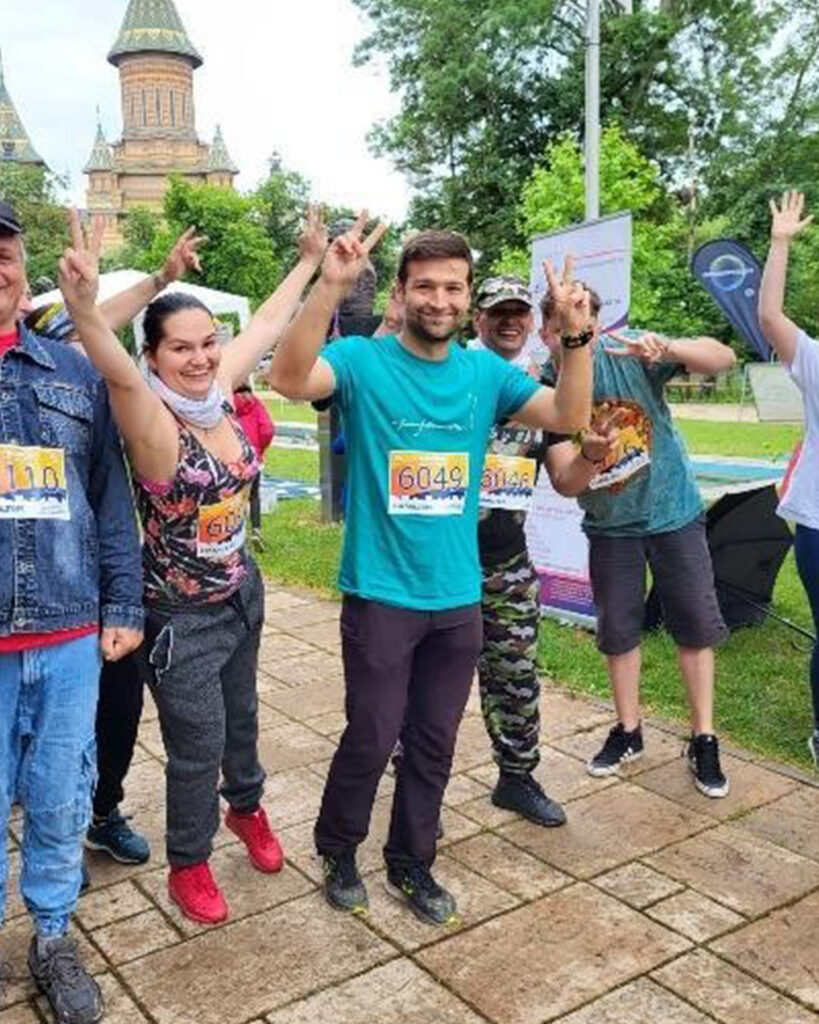
Due to the restriction put in place for the prevention of Covid-19, the foundation experience difficulties providing its services. In addition to their disabilities, the pandemic also affected children. It was challenging for the NGO to give therapy. To overcome this, they moved all their activities online. As such, their support was counited to be offered and much needed.
The Foundation also provided access to resources to help educators respond to the crisis. They included a PBIS framework with multiple strategies to help sustain a safe school environment for all children.
Establishment of the organisation/initiative/enterprise
During the Foundation’s establishment, the need for a place created specifically for children with disability was evident. While throughout the years, the increased research into mental illness has facilitated the foundation in archiving their mission, other problems motivated establishing the entitative. One of them was providing disabled children with access to the regular education system, which was not easy due to public policies. Another focused on bringing attention to the necessity of removing the stigma around mental illnesses and how much change can be done if education, resources, and therapy are provided. A change that leads to children with such illnesses, gains abilities for living a happy and independent life.
Management structure and governance
Speranta Rehabilitation Foundation is a non-profit organisation. As such, it does not rely on financial support from local authorities. The initiative can provide its services and run its projects with the help of European and international funding. Because of such collaboration, more than 50 projects have been realised.
Principles of work, objectives and activities
The Foundation’s goals are to ensure that every child with a disability can benefit from an inclusive educational system and that every adult with a disability has the skills needed for living an independent life. For children being able to attend a regular school that has implemented inclusive education, has not only a positive impact on their mental and social life but also aids them in becoming engaged members of society. Additionally, putting a light on the little signs often ignored by teachers and parents leads to providing services to everyone in need, thus improving their quality of life. The NGO aims to change the mainstream perception about people with mental illnesses, by training educators with the skills needed to understand disabled children and manage pupils’ behaviour.
Target groups
The Speranta Foundation aims at reaching multiple target groups. Starting with children up to 18 years old and newborns, they also provide services and support to the family members. Secondary target groups include educators, school staff and disabled adults.
Innovation
The foundation is recognised as a best practice initiative for the Early Intervention Center, offering therapies for babies as soon as they are diagnosed or at risk of developing a disability. Such an initiative is essential for Romania as the country does not have a well-defined legal framework for a national program for early intervention. The project “a good start” has led to the implementation of multidisciplinary services for monitoring and screening children at early stages, as well as, training parents on properly supporting their development.
Key partners
The foundation works together with other NGOs in the social sectors, based both in Romania and in other countries in Europe. Speranta also collaborates with authorities and local and national companies.
Impact and Evaluation
The impact created by the foundation is visible on a national and local level. Some of the accomplishments include the creation of an Inclusive Educational Network with more than 4000 members providing informational resources. Since 2007, the foundation developed seven educational centres in rural and urban areas providing services to over 1000 children with special needs. Teachers all over Romania had the opportunity to attend educational training, ADHD training, workshops and more. Speranta Rehabilitation Foundation has also organised World ADHD Awareness Day in the country. Additionally, the foundation has not only provided direct support for schools and educators but also proposed legislative changed and supported the adaptation of inclusive education nationwide.
Recommendations
When adopting such good practices in another country, there are a few things to keep in mind. Every individual has different needs. There is no one way of helping everyone. Time and attention need to be devoted, especially when working with children. Next, do not underestimate the power of communities and authorities. They need to be involved in making a difference and facilitating the development of the whole initiative.
Lessons Learned
The results became better and more visible when the organisation found allies and people wanting to work for the same goals. Creating such a massive community helped the foundation convey its message and provide services to more people and children in need. That then contributed to making legislative changes, thus removing barriers for individuals with mental illnesses.
References
Speranta website.

Funded by the European Union. Views and opinions expressed are however those of the author(s) only and do not necessarily reflect those of the European Union or the European Commission. Neither the European Union nor the granting authority can be held responsible for them.